
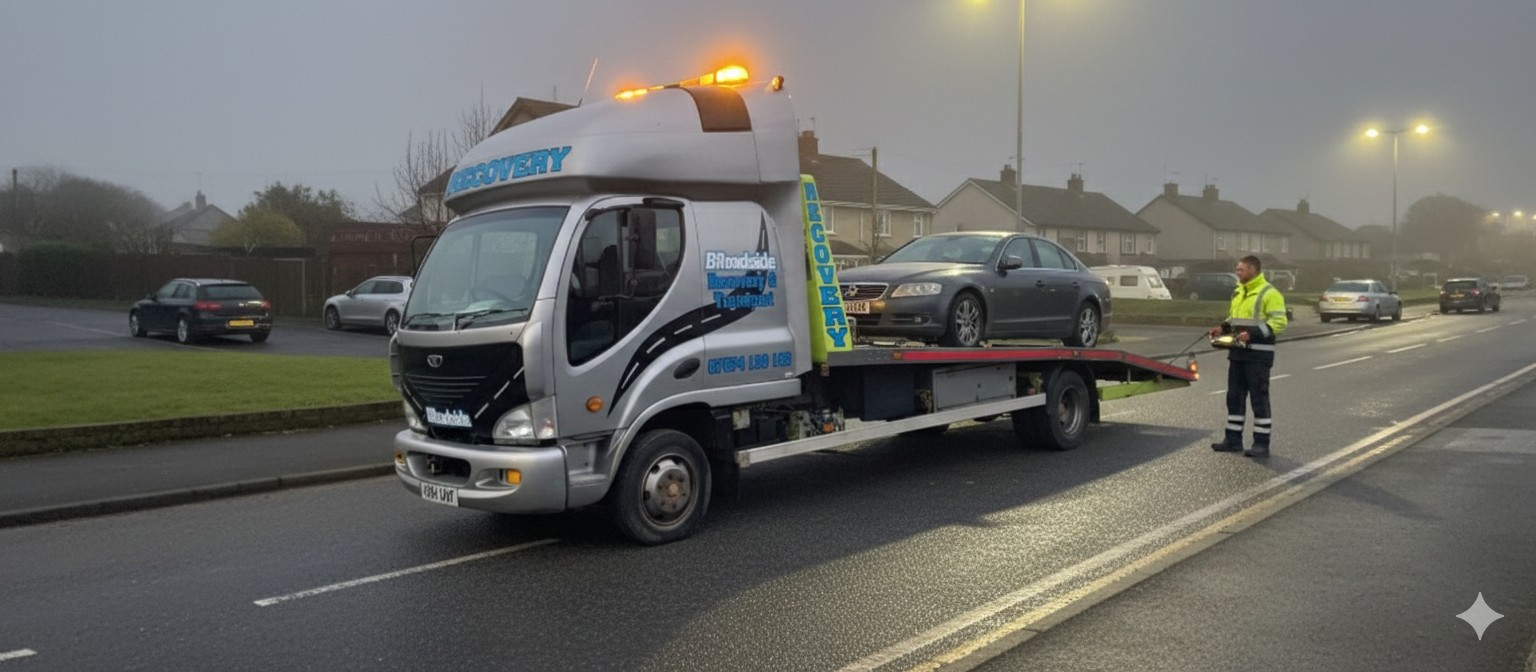
Cornwall rarely sees the hard winters that grip much of the rest of the country, but 'rarely' is not 'never', and mild-but-damp conditions bring their own set of problems. Cold, wet mornings are harder on batteries and tyres than most people expect, and a county surrounded by sea air adds corrosion into the mix all year round.
Higher ground inland — Bodmin Moor, the area around Bolventor, and exposed stretches of the A30 near the moor — can see genuine snow and ice when the rest of the county stays clear, catching out drivers who assumed the coast's mild weather applied everywhere.
None of this needs special equipment for most people, just a bit of preparation and knowing what to check before the cold snap arrives rather than during it.
Cold starts and batteries
A battery that has been struggling all autumn will often fail completely on the first properly cold morning, because cold reduces a battery's ability to deliver current at exactly the moment the engine needs more of it to turn over.
If your car has been slow to start, taking longer to catch, or the dashboard lights dim briefly when you turn the key, that is worth addressing before winter rather than waiting for a morning it does not start at all.
- Batteries typically lose effective capacity as they age, worse in cold weather
- Short journeys do not fully recharge a battery — occasional longer drives help
- Turn off heated seats, screens and lights before starting to reduce the initial load
- A battery over four or five years old is worth having checked before winter
- If the car won't start at all, home start assistance can get you moving without a full recovery
Tyres and grip
Tread depth matters more in winter, when wet roads, standing water and the occasional icy patch all reduce grip that summer conditions would forgive. The legal minimum is 1.6mm, but grip in genuinely wet or cold conditions drops off well before tyres reach that limit.
Tyre pressure also drops slightly as temperatures fall, which affects handling and can go unnoticed until it becomes a problem on a wet bend.
- Check tread depth across the whole width of each tyre, not just the centre
- Check pressures monthly through winter — cold weather reduces them
- Look for cracking or perishing on tyres that are getting old, even if tread looks fine
- Consider winter or all-season tyres if you regularly drive higher, exposed roads
Frost, ice and rare snow on high ground
Frost forms first and lingers longest on shaded, exposed and higher sections of road — bridges, moorland stretches, and north-facing lanes that see little winter sun. Bodmin Moor and the higher parts of the A30 corridor can hold ice or snow for hours after coastal towns have thawed completely.
If you are heading inland or across the moor in cold weather, check conditions before you leave rather than assuming the mild weather at the coast will hold all the way across the county.
- Bridges and elevated sections freeze first and thaw last
- The A30 across Bodmin Moor is the route most likely to see snow or ice in Cornwall
- Black ice is hardest to see on shaded stretches in early morning or after dark
- Reduce speed and increase following distance on any road that looks damp in cold temperatures
Salt, sea air and coastal corrosion
Cornwall's coastal air carries salt inland further than many drivers expect, and combined with road salt gritting in cold spells, it accelerates corrosion on brake pipes, exhausts and underbody fittings, particularly on older vehicles.
Washing off salt residue, especially around wheel arches and the underside, after gritted roads or a spell of coastal weather helps slow this down and is worth doing more often in winter than the rest of the year.
- Rinse the underside and wheel arches after driving on gritted roads
- Check brake pipes and exhaust for rust more often on older vehicles
- Wax or protect exposed metal fittings if the car lives near the coast
Winter checks worth doing before a cold snap
A short list, done once before the weather turns, catches most of the common winter failures:
- Battery condition and charge, especially on vehicles over four years old
- Tyre tread and pressure on all four wheels
- Screen wash topped up with a proper winter-strength additive, not just water
- Wiper blades replaced if streaking or juddering
- Coolant and antifreeze levels and concentration checked
- A torch, phone charger and warm layer kept in the car
Planning journeys in bad weather
If snow or ice is forecast for higher ground, checking a route before setting off, especially across the moor or on exposed A-roads, avoids a lot of the trouble people run into. Allowing extra time, keeping fuel topped up rather than running low, and telling someone your route are all simple habits that pay off.
If you do get stuck or your car will not start on a cold morning, home start or breakdown assistance is generally quicker and less stressful than trying to fix it yourself at the roadside in the cold.
Need this sorted today?
Car won't start on a cold morning? Home start assistance can usually get you moving without a full recovery.
Frequently asked questions
Does it actually snow in Cornwall?
It is uncommon and usually brief, but higher ground such as Bodmin Moor and exposed sections of the A30 do see snow and ice most winters, even when the coast stays clear.
Why did my car battery die suddenly in cold weather?
Cold reduces a battery's ability to deliver current right when a cold engine needs more of it to start, so a battery that has been quietly weakening for months can fail without warning on the first hard frost.
Do I need winter tyres in Cornwall?
Most drivers manage fine on good-condition standard tyres given Cornwall's generally mild winters, but anyone regularly driving higher, exposed roads in cold spells may find winter or all-season tyres worthwhile.
How often should I wash road salt off my car?
After any spell of driving on gritted roads, rinsing the underside and wheel arches helps slow corrosion, and doing this a bit more often through winter than the rest of the year is worthwhile, especially near the coast.
What should I do if my car won't start on a cold morning?
Check for obvious signs like dim interior lights or a slow crank, and if it won't catch, home start assistance can usually get you going at the roadside without needing a full recovery.
Services covered in this guide
Related guides
Storm and Flooded Road Driving
Cornwall's Atlantic storms bring standing water, flooded fords and occasional saltwater surges — knowing when to turn back matters more than pushing through.
ReadBreakdown Emergency Kit
A practical, no-nonsense list of what is actually worth carrying for a breakdown, and the rules around using it safely once you need it.
ReadWhat Vehicle Recovery Costs in Cornwall
The six factors that actually move the price of a recovery job, and how to describe your situation so the quote you get is the price you pay.
Read