
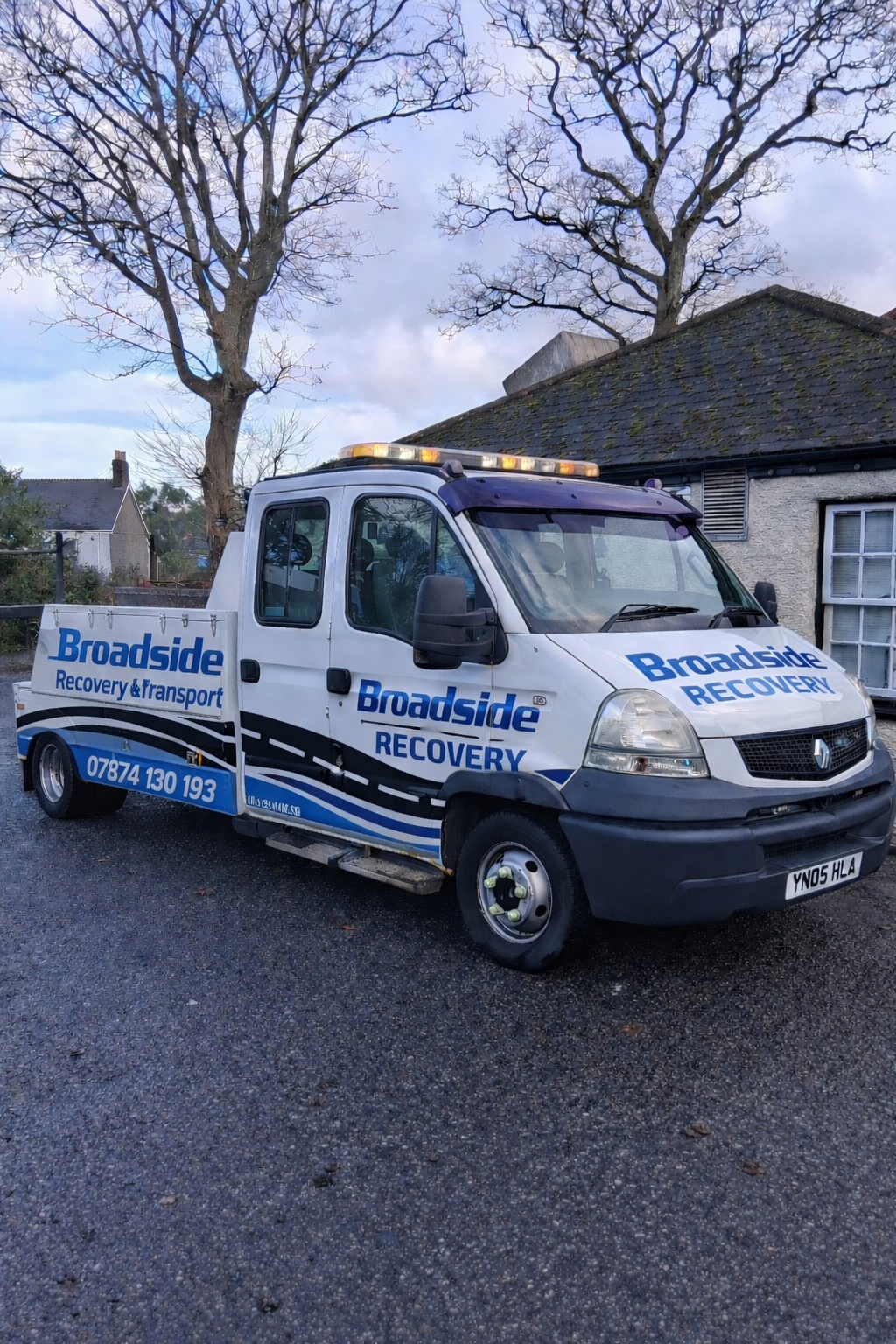
If you already pay for breakdown cover, use it. We will say that plainly. But there are situations where a policy either does not apply or will not get you moving in a useful timeframe, and it helps to know which is which before you are standing at the roadside.
This compares the two routes on cost, speed, control and coverage.
Where national breakdown cover works well
For a mechanical fault on a normally roadworthy car, on a road, within policy terms, national cover is good value: you have already paid, roadside repair is included, and onward travel may be part of the package.
If that describes your situation, call your provider first.
Where an independent operator is the better call
Policies have edges, and a lot of real-world recovery sits outside them:
- The vehicle is not covered — a recent purchase, a trade vehicle, a non-runner or a project car
- The move is planned transport rather than a breakdown, which most policies exclude
- The vehicle is on private land, a field, a farm track, a beach car park or off-road
- You need it moved to a specific garage or address rather than the nearest approved one
- Waiting times quoted by the provider do not work for you, particularly at night or in peak season
- The vehicle is a van, light truck or something over a policy's weight limit
The control difference
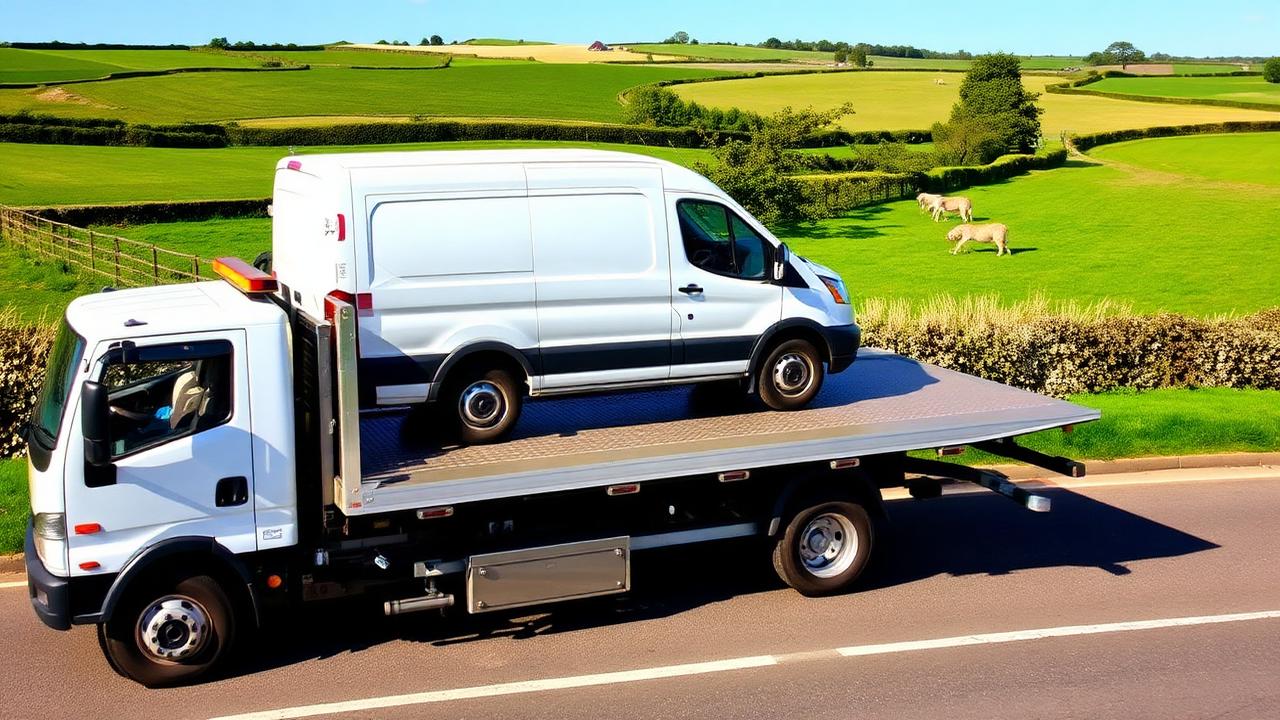
With a policy you are allocated to whichever contractor is available in the area, and you may not know who is coming or exactly when. Calling an operator directly means you speak to the person dispatching the truck, agree the price up front and choose the destination.
For anyone whose vehicle is their livelihood — a trades van, a mobile business, a fleet vehicle — that control is usually worth more than the saving.
Cornwall-specific considerations
Coverage across the far west and the north coast is thinner than in an urban area, and in summer the whole county's demand rises with visitor traffic. Rural lanes, coastal descents and unsurfaced access are also more common here than the average policy scenario assumes.
A local operator who knows the A30 corridor, the A39 and the lanes off them is not a marketing line — it is what determines whether the truck arrives able to do the job.
Need this sorted today?
Policy will not cover it, or the wait is too long? We will quote the job directly.
Frequently asked questions
Should I try my breakdown provider first?
If your vehicle and situation are clearly inside your policy, yes. You have already paid for it. Call us when the policy does not apply, the wait does not work, or the vehicle needs to go somewhere specific.
Will my insurer reimburse an independent recovery?
Some policies do reimburse a recovery you arrange yourself, and some do not. Ask your provider before you book, and keep the invoice either way.
Do you cover vehicles that breakdown cover normally excludes?
We recover cars, vans and light commercials up to 7.5 tons, including non-runners, unregistered vehicles, recent purchases and vehicles on private land — situations most policies exclude.
Is an independent operator more expensive?
You pay per job rather than by annual subscription, so a single call-out costs more than one covered by a policy you already hold. For uncovered vehicles, planned transport or off-road extraction, it is often the only route available.
Services covered in this guide
Related guides
What Vehicle Recovery Costs in Cornwall
The six factors that actually move the price of a recovery job, and how to describe your situation so the quote you get is the price you pay.
ReadWhat Happens When You Call
The full call-out sequence from first ring to drop-off, including exactly what to do while you wait at the roadside.
ReadFleet & Trade Van Breakdown Planning
For a trades business, the van failing is a lost day. A small amount of preparation cuts that to hours.
Read