
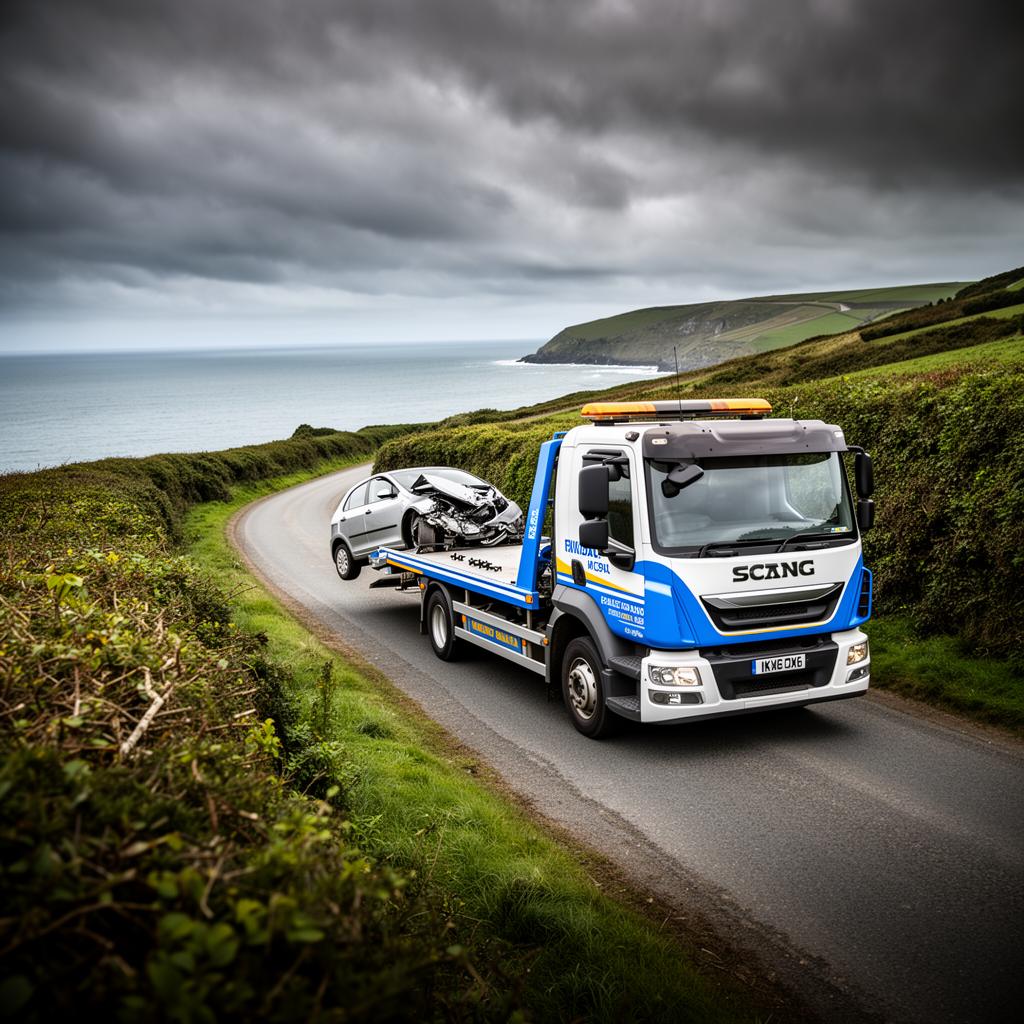
Most people only look for a recovery firm once they are already stranded, which is the worst possible time to be comparing options. A few minutes spent checking a company out in advance, or even during a calmer moment mid-breakdown, tells you a lot about whether they will turn up, do the job properly, and charge what they said they would.
None of this is about finding the cheapest number online. It is about working out which operators actually cover your area, run the right equipment for your vehicle, and quote honestly rather than low-balling on the phone and adding extras on arrival.
This guide sets out what to look for and the warning signs that suggest you should keep looking.
Insurance and licensing basics
A legitimate recovery operator should hold goods-in-transit and public liability insurance covering the vehicles they carry, not just their own truck. This matters because if something is damaged while your vehicle is being loaded, strapped or transported, you want to know there is cover behind it.
You do not need to demand paperwork on the phone during an emergency, but it is reasonable to ask, and a firm with nothing to hide will answer plainly rather than deflecting the question.
- Goods-in-transit insurance covering the vehicle being recovered
- Public liability cover for work carried out at the roadside or on private land
- A genuine, answered landline or mobile number rather than a call centre reading from a script
- Willingness to confirm cover details if you ask
Equipment for your vehicle
Not every truck can handle every job. A car-only flatbed cannot safely carry a long-wheelbase van or a vehicle up to 7.5 tons, and a firm that says yes to anything without asking about weight or size is one to be wary of.
Ask what size vehicle they cover, whether they can winch a non-runner, and whether they have the right straps and points for your specific vehicle type — low cars, 4x4s, electric vehicles and vans all need slightly different handling.
- Confirm the weight and size range the truck actually covers
- Ask whether they can winch a seized or crashed vehicle, not just drive a rolling one on
- Check they handle your vehicle type — automatic, 4x4, EV, van, light truck
- A flatbed setup is generally lower risk than a conventional tow for most modern vehicles
Response area and realistic timing
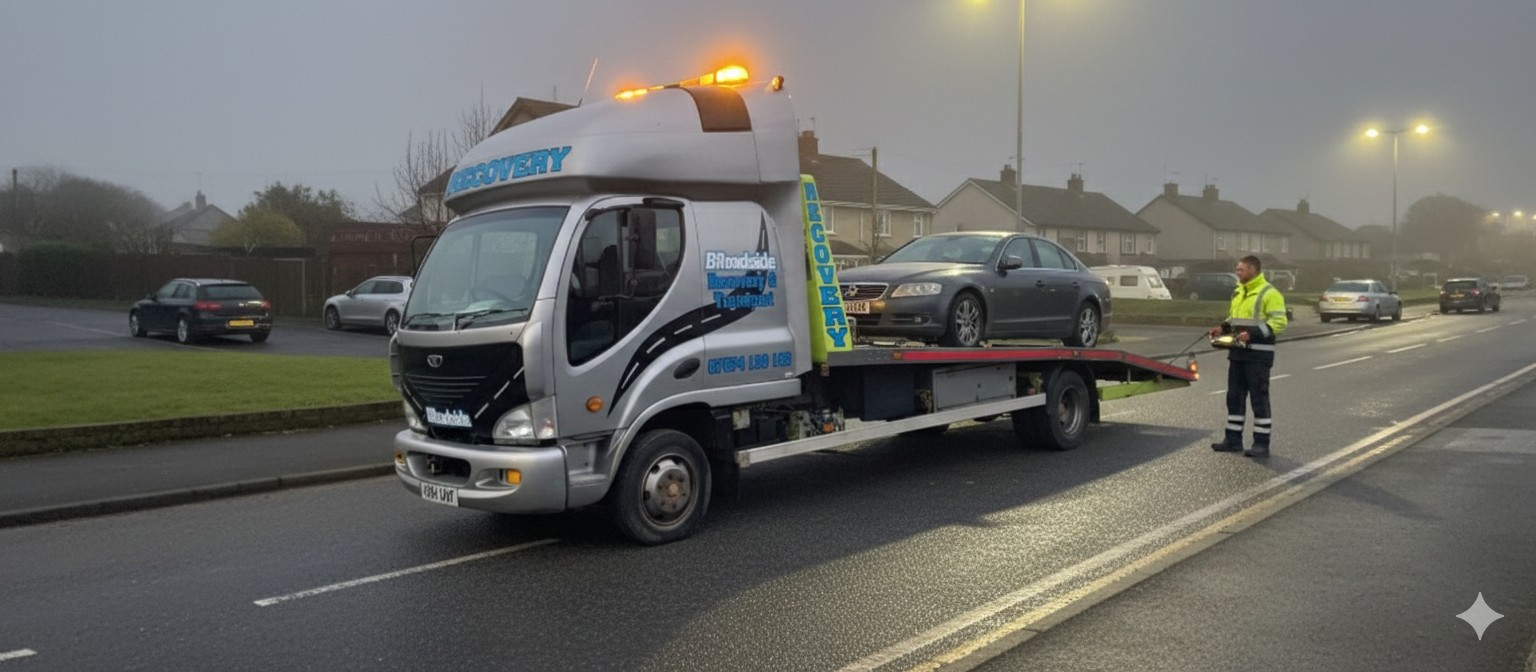
A firm based two hours from where you actually are is not a fast option, whatever their website implies. Ask directly whether they cover your specific area — Cornwall's geography means a company based near Truro may struggle to reach Bude quickly, and vice versa.
A trustworthy operator will give you a realistic estimate rather than an optimistic one, and will call if that time changes rather than leaving you guessing at the roadside.
- Ask if they routinely cover your specific town or road, not just the county in general
- Expect an honest time estimate, not a vague 'on our way'
- Ask whether they will call if the estimate changes
How they quote
A proper quote needs your location, vehicle details, destination and roughly what condition the vehicle is in. If a firm gives you a fixed price without asking any of that, either they are guessing or the number is not going to hold once the truck arrives.
Good practice is a figure given over the phone based on what you have described, confirmed or adjusted only if the situation on arrival is genuinely different from what was said — for example, the car turns out to be off-road rather than on the verge.
Red flags worth walking away from
A few signs reliably point to a worse experience further down the line:
- A quote given with no questions asked about location, vehicle or access
- Reluctance to say which areas they actually cover
- Pressure to agree before you have had the price explained
- No clear answer on insurance when asked directly
- Cash-only demands with no explanation before work starts
- A price that changes substantially on arrival with no reasonable explanation
Save the right number before you need it
The best time to choose a recovery firm is not during a breakdown. Save a number for a local, insured operator who covers your area and vehicle type in your phone now, so the decision is already made when you actually need it.
It is also worth knowing the difference between your breakdown cover, if you have any, and an independent operator you call directly — each has situations where it is the better option.
Need this sorted today?
Save our number now and you'll have a straight answer ready the next time you or someone you know needs recovery.
Frequently asked questions
Should I always go with the cheapest quote?
Not necessarily. A very low quote given without asking about your vehicle, location or access often ends up higher once the true job is seen, whereas a firm that asks proper questions upfront tends to give a figure that holds.
How do I know if a recovery firm can handle my van?
Ask directly what weight and size range their trucks cover — a straightforward car flatbed is not always set up for a long-wheelbase van or anything approaching 7.5 tons, so it is worth confirming before they set off.
Is it worth checking reviews before calling?
It can help as one input, but a firm's willingness to answer direct questions about cover, equipment and area on the phone tells you more in the moment than a review left months ago.
What details should I have ready when I call?
Your exact location, the make and rough weight of your vehicle, whether it rolls and steers, and where it needs to go. Having these ready gets you a firm quote rather than a rough guess.
Does Broadside Recovery cover the whole of Cornwall?
We operate across Cornwall for vehicles up to 7.5 tons, covering cars, vans and light trucks, with trucks equipped to winch non-runners as well as carry rolling vehicles.
Services covered in this guide
Related guides
Breakdown Cover vs Independent Recovery
The honest comparison — including when your existing policy is genuinely the better option and you should use it.
ReadWhat Vehicle Recovery Costs in Cornwall
The six factors that actually move the price of a recovery job, and how to describe your situation so the quote you get is the price you pay.
ReadFlatbed vs Tow Truck
Why the wrong lift can damage a gearbox or bumper, and how to tell which method your vehicle actually needs before the truck arrives.
Read