
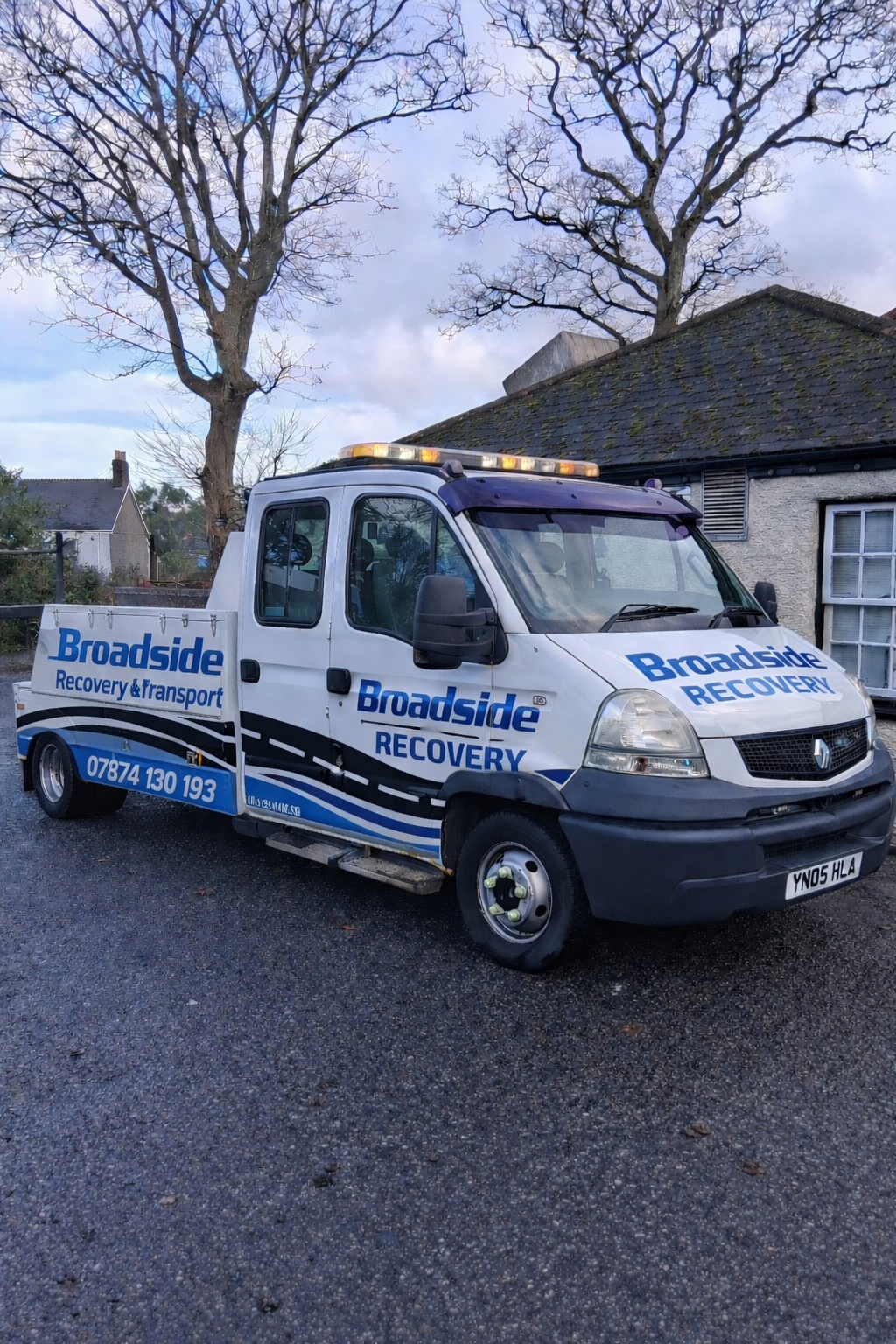
The way to keep recovery cheap is to get a complete price on the phone before anyone sets off, and to make sure it covers the whole job — collection, loading and delivery to the place you actually want. A low headline figure that grows at the roadside is not cheap. We agree the price before we set off, you do not need any membership, and there is no joining fee.
This guide explains what drives the price of a recovery, how to compare quotes fairly and a few ways to lower the bill without cutting corners on safety.
What the price is really made of
Every honest recovery quote is built from the same few things: how far the truck travels to reach you, how far it then carries the vehicle, the time of day, the size and weight of the vehicle, and how easy it is to load. A car that rolls on a quiet street is a simpler job than a van nose-down in a hedge on a single-track lane at 2am. None of that is hidden, and it is reasonable to ask how a figure was worked out.
Questions to ask before you say yes
A two-minute conversation saves most of the nasty surprises.
- Is that the total price, including getting to me and dropping off?
- Does it include loading if the car will not roll or has no keys?
- Will it go on a flatbed, or be towed on its wheels?
- Can passengers travel with the vehicle?
- How do I pay, and is that confirmed now rather than at the roadside?
- Are you insured to carry my vehicle?
When the cheapest quote costs more
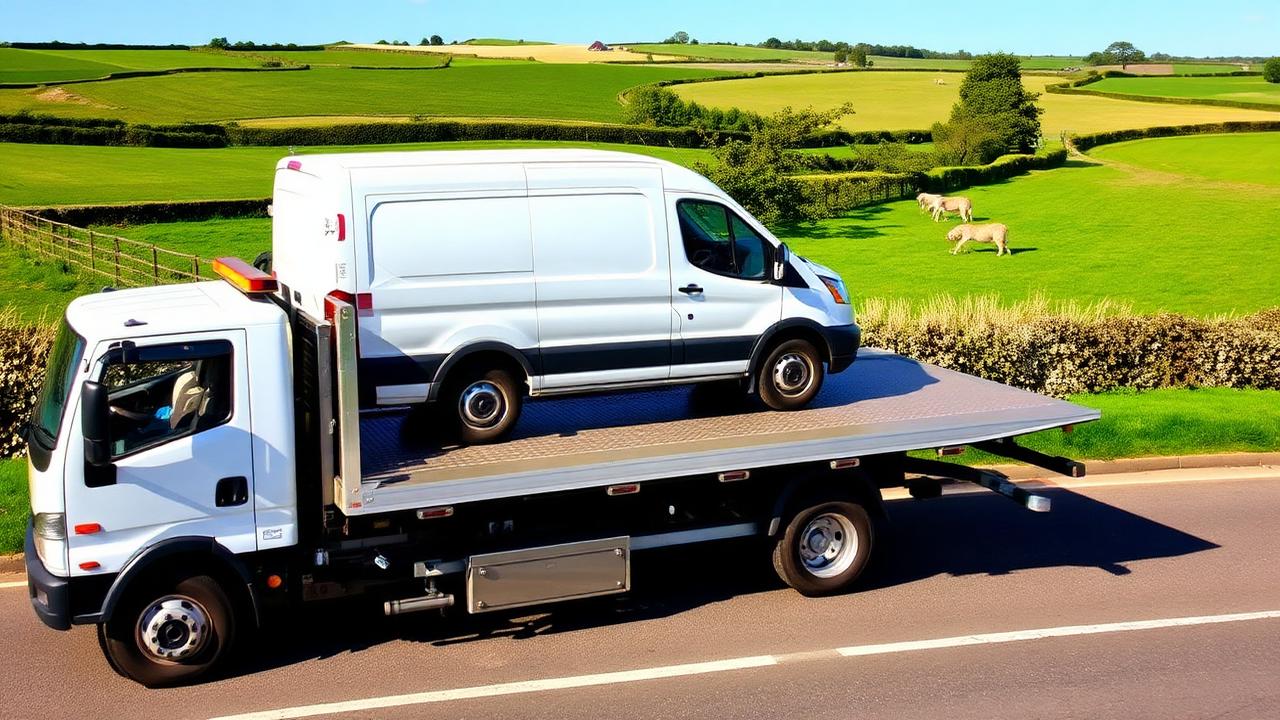
A quote that is far below everyone else's is worth a second question. Common catches include a low call-out figure with mileage added later, extra charges for winching or out-of-hours work that were not mentioned, or a truck that is too small for the vehicle and has to be replaced by a second one. Towing an automatic, four-wheel-drive or electric car on its wheels to save money can also cause damage that dwarfs the recovery bill.
The other hidden cost is a wasted trip. If the car is delivered to a garage that cannot take it, it may need moving again. Ringing the garage first is free.
Honest ways to pay less
- Give an exact location. A what3words address or map pin avoids time lost searching.
- Describe the vehicle and fault properly so the right truck comes first time.
- Ask whether a roadside fix is possible. A flat battery or a tyre change can be cheaper than a full recovery.
- If the car is safe where it is, consider a booked move in normal hours instead of an emergency call-out.
- Choose a sensible drop-off. A garage near the breakdown is usually cheaper than one across the county.
Membership versus paying once
Breakdown cover suits some drivers, particularly those who travel long distances a lot. But if you have broken down without cover, joining at the roadside usually carries an extra fee, and you may still wait for a contractor. Calling a local independent operator directly means you pay only for the job in front of you. There is no policy number and no joining fee with us — just a phone call and an agreed price.
What a fair service looks like
A fair recovery firm quotes clearly, tells you what vehicle it is sending, loads your car without forcing it, carries you and your passengers, and delivers where you agreed. It is available when you need it, including nights and weekends, and does not change the price once the job has started. That is the standard to hold anyone to, whoever you call.
Need this sorted today?
Want a clear price with no extras? Call with the vehicle, where it is and where it needs to go — we will quote before we set off.
Frequently asked questions
Do you give a price before you come out?
Yes. We agree the price on the phone before we set off, based on your location, the vehicle and where it is going.
Do I need breakdown cover to use you?
No. You do not need AA, RAC, Green Flag or any membership, and there is no joining fee.
Is it cheaper at night or during the day?
Time of day is one of the factors in any recovery price. If your vehicle is safe where it is, a booked move in normal hours can be simpler than an emergency call-out.
Why not just tow it on a rope to save money?
Rope towing is only suitable in limited cases and can damage automatics, four-wheel drives and electric cars. A flatbed keeps all four wheels off the road.
Can you fix it instead of recovering it?
Where the fault and location allow, yes. Flat batteries, tyres and some fuel or electrical faults are regularly dealt with at the roadside.
Services covered in this guide
Related guides
How Breakdown Recovery Prices Are Worked Out
A plain-English walk through how a recovery quote is built, what should be included in it, and how membership cover compares with paying per job.
ReadWhat Vehicle Recovery Costs in Cornwall
The six factors that actually move the price of a recovery job, and how to describe your situation so the quote you get is the price you pay.
ReadBroken Down With No Breakdown Cover
You have stopped, you have no membership and you are wondering whether to sign up on the spot or ring a local firm. This is the order to do things in.
ReadBreakdown Cover vs Independent Recovery
The honest comparison — including when your existing policy is genuinely the better option and you should use it.
Read